





Introduction
Speech is one of the most powerful tools for communication. However, some children may struggle with speaking clearly, expressing their thoughts, or understanding language. Speech therapy for kids plays a vital role in helping children overcome these challenges and develop strong communication skills for life.
What Is Speech Therapy?
Speech therapy is a specialized treatment designed to help children who have difficulties with speech, language, communication, or swallowing. Conducted by certified Speech-Language Pathologists (SLPs), it focuses on improving how a child speaks, listens, understands, and uses language.
Common Speech and Language Problems in Children
Children may need speech therapy for various reasons, such as:
- Delayed speech development (not speaking as early as peers)
- Articulation disorders (trouble pronouncing sounds correctly)
- Language disorders (difficulty understanding or using words)
- Stuttering (repetition or prolongation of sounds and words)
- Voice disorders (unusual pitch, volume, or tone)
- Feeding and swallowing issues
How Speech Therapy Helps Kids
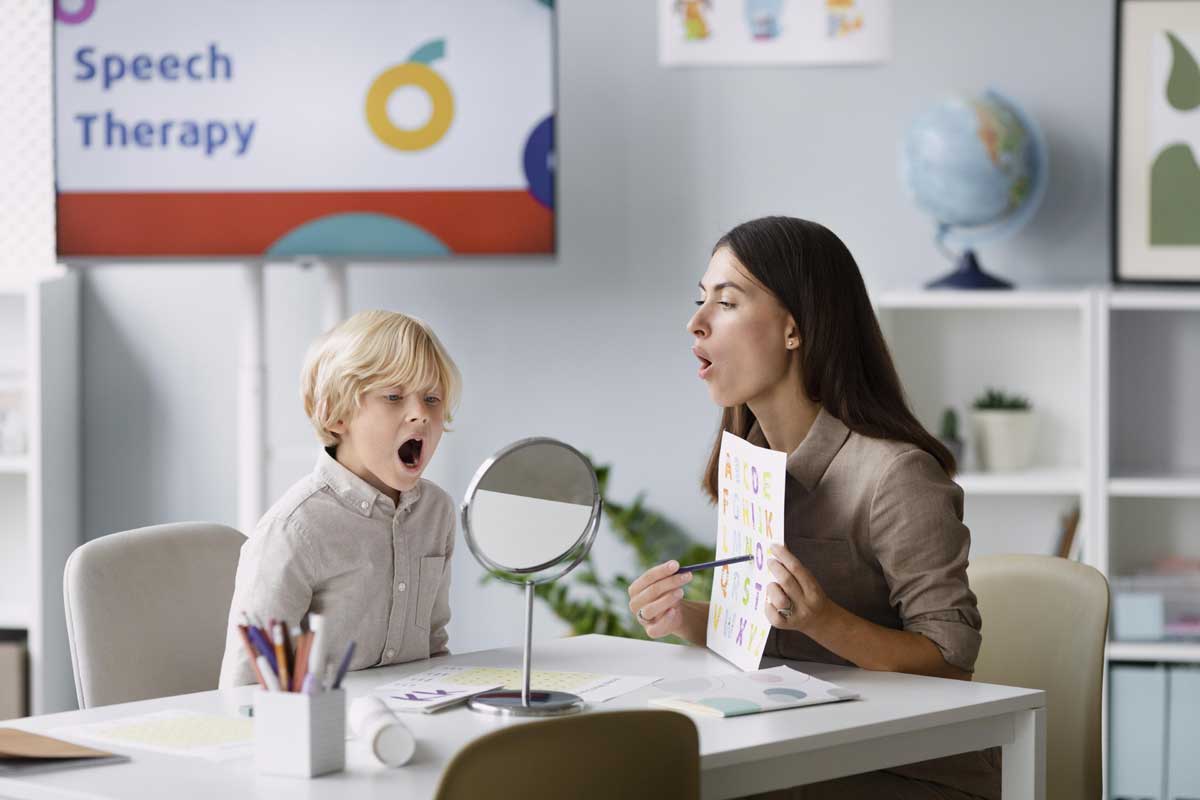
Speech therapy sessions are fun, interactive, and child-centered. Through games, stories, pictures, and activities, therapists encourage children to learn new sounds and words naturally. Some key benefits include:
- Improved pronunciation and speech clarity
- Better listening and understanding skills
- Enhanced confidence and social interaction
- Increased vocabulary and expressive language
- Stronger reading and communication foundation
When Should Parents Seek Speech Therapy?
You should consult a speech therapist if your child:
- Isn’t speaking by age 2 or 3
- Has trouble being understood by others
- Frequently stutters or pauses when talking
- Struggles to follow instructions
- Shows frustration when trying to communicate
Early intervention makes a big difference — the sooner therapy begins, the better the results.
What Happens During a Speech Therapy Session?
Speech therapy sessions vary based on each child’s needs. Typically, sessions include:
- Assessment – The therapist evaluates your child’s communication abilities.
- Goal setting – A personalized therapy plan is created.
- Therapy activities – Fun exercises, games, and speech drills.
- Parental guidance – Parents are taught how to continue practice at home.
Role of Parents in Speech Development
Parents play an important role in supporting therapy. Simple actions like reading aloud, singing, naming objects, and having daily conversations with your child can significantly boost progress.
Why Choose Happiness Speech Therapy & Occupational Therapy Centre
At Happiness Speech Therapy & Occupational Therapy Centre, we understand that every child is unique. Our certified therapists use evidence-based techniques and a playful approach to make learning enjoyable and effective. We provide:
- Personalized therapy plans
- Friendly and safe environment
- Regular progress tracking
- Parent counseling and home support
Conclusion
Speech therapy is more than just improving pronunciation — it’s about building confidence, communication, and connection. With timely support and expert guidance, every child can find their voice and express themselves freely.